
The first time I clearly remember writing a story was in the spring of 1966. I was seven years old. The story was about a dramatic helicopter rescue of my Aunt Ruth and her family during a flood, with a typical happy ending. Aunt Ruth was my mother’s closest sister and served as a godmother to me. To my family, the story was fanciful, and I was praised for writing creatively. The real reason for writing the story was that I had been terrified by television footage in the news, which showed people being airlifted to higher ground during a flood. The area that had flooded was down near where my Aunt Ruth and her family lived. Since we drove down weekly, I was well acquainted with the area. I wrote to comfort myself, as my young insides quivered at what I had seen – out of control water, lives and homes swept away by the torrent, and chaos where there had been order and beauty.
Poems, songs, and diary entries chronicled my feelings about family, school, and self from 4th grade through my senior year in high school. During this time, writing served to vent feelings and anxieties privately, particularly when I was angry with my parents, but voicing my thoughts out loud wasn’t advisable. Until my late thirties, writing served primarily as a sounding board for my opinions and frustrations.
As I neared age forty, my struggling marriage came apart. My diary then changed from merely recording my life events to planning my departure and piecing together what looked like a scary future. Putting pen to paper allowed me to set out a new course for my life and the lives of my two youngest children who lived with me. Since that time in 2000, I have used writing to take my less than stellar realities and work at changing them for the better.
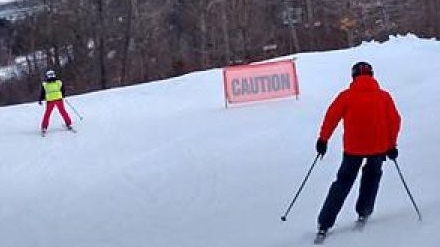
On February 27, 2016, I was traumatically injured in a freak ski accident that shattered my left tibia in eight to ten places, with extensive damage to the tibial plateau. I spent nearly six weeks in various hospitals during 2016, over a third of that time in the trauma unit. 2016 brought five surgeries, bone infection, and extensive time confined to a wheelchair, bed, or reclining chair, with more pain than I had ever known. Early 2017 brought a diagnosis of Post-Traumatic Stress Disorder (PTSD) and late in 2017 I was medically retired. During this time, my pen went dry. I found myself unable to concentrate, write, or think clearly. As I struggled with navigating my new, unwanted normal, I rediscovered the power in writing when those around me nourished my soul with their writing. Cards, emails, and text messages sent bits of light into my hideously dark, painful world. My visiting nurse or my husband would bring in cards and letters. My eyes filled with tears as I read words of kindness, caring, praying, and support. The words of others touched and gradually filled my inner psychiatric wounds with hope. I am still grateful beyond measure for the outpouring of support that arrived in the form of the written word.
Part of PTSD therapy is writing about and confronting your trauma. In the early days of therapy, my therapist asked me to write and journal for myself since this seemed to be helpful to me. As I continue to struggle with PTSD, I have come to realize that over sixty years of life experience have changed and shaped me. My goal now is to write stories that bring hope to those who struggle, using my personal experiences as background from which to draw material. I have written some short devotional pieces for a church publication in this fashion. My most recent publication was called “What Does Madeline L’Engle Have to do with Advent Anyway?”. This short piece came from the experience of losing my twin granddaughters in the summer of 2008.
When the girls died in July, I had written poems and letters to them in a blog format. My husband, trying to put a bit of light into the agonizing reality of his son and daughter-in-law, sent the link to them. The results were disastrous. For many months, we were cut off. My stepson told both of us that I had invaded their privacy, even though I used a pseudonym on my blog without using the names of my stepson and his wife. I was told loudly that I had no right to feel or write as I did. This scene was heartbreaking for both Jim and me, but especially so for me. I had never intended to cause pain and was horrified at how my work had been received. At my husband’s request, I took down my posts and ceased to blog anymore. My writing, which had relieved stress and brought comfort, was at an end. I now mourned the loss my of stepson and his wife, as well as the girls; my writing as I had known it had to be turned to paper only as I risked the loss of relationship with my stepson and his wife otherwise.
A few years later, my church decided to publish a booklet for Advent intended for parishioners to use as they contemplated the meaning of the season. I submitted a short piece for publication, specifically dwelling on my grief the year the girls died. My husband and I had anticipated the Christmas season of 2008 to be one of the most joyous ever – and instead we were in shock, mourning the death of the girls alone and in silence, feeling cut off from everyone around us, and unable to feel joy. Every Christmas preparation caused incredible pain and we became hermits to a certain extent as we struggled to make sense of our harsh, inexplicable reality. The poem “First Coming” by Madeline L’Engle served as a springboard for this writing.
I didn’t feel my submission to the church warranted any special notice. In fact, just before the booklet went to press, I was in agony over whether I should have sent in something so personal to be published. I was completely unprepared for the number of parishioners who stopped me at church and sent personal notes to tell me how much my story had touched them. My voice had been finally been heard as intended. My voice was no longer silenced. The feeling of having contributed a piece that so clearly struck a chord in the lives of others empowered me.
In the early stages of PTSD therapy, I had terrifying nightmares. After reviewing one of these nightmares, which I’d written down in all its ugly details, my therapist commented, “You know, Ellen, if you left off the ending, you could turn this into a really amusing children’s book!” I haven’t yet completed “Bulldog Bash,” but just beginning it put at least one of the ghastly nightmares to rest. I’d be delighted if this could be transformed into a source of merriment for others. As I continued therapy, I began to realize that I could confront unwanted realities. In the confrontation, I could use my voice to give hope to others as I created hope for myself.
My complete identity as a writer is, like me, a work in process. I read Anne Lamott’s book Bird by Bird, followed by Wild Mind, by Natalie Goldberg. These two books inspired me to set up a writing process. Lamott’s book especially hit home in the chapters “Letters,” “Writing A Present,” and “Finding Your Voice.” As I read these chapters, I discovered that the reason I had not set up a process is because I worried over what might happen if I told the real truth in my writings. My family would be horrified with some of my thoughts and observations. As I considered my dilemma, I was beginning to read Goldberg’s book. Suddenly, it was as though a light went on inside my soul. I needed to write. I wanted to write. I had confused the “creator” and “editor” (Goldberg’s words) in my writing. I followed Goldberg’s advice to “keep my arm moving.” I now attempt, even on the busiest day, to write for at least 10 minutes. I’m working on a revision of some biographical sketches I’d written for my grandchildren. My writing may be fiction or biography/memoir style. I’m still experimenting with these genres. Whatever the genre, I intend to be authentic in my voice.
The ability to positively touch the lives of others through my writing is both a blessing and a privilege. By confronting the realities of infant death out loud and refusing to accept the stigma of mental illness, I’ve helped myself in my healing process – but this is just the beginning. To my surprise, my writing about these topics has also opened the doors for discussion with others. Sharing with others about the struggles I faced silently and alone empowered others to tell their own stories. Honing the art of storytelling is the next step toward the realization of my goal – publishing stories that give hope to others while acknowledging life’s realities without fear of my own voice and creating a legacy for my grandchildren with the written word.
 This Old Norwegian